Unleash Your Creative Potential: Sign Up For Engaging and Hands-On Sewing Classes This Month!
Sewing lessons present an outstanding opportunity for individuals to discover their creative potential. Participants can engage with different materials and techniques while completing hands-on projects. These courses serve diverse skill levels, making them accessible to both novices and seasoned sewers. As participants dive into this creative process, they may find themselves discovering not just new skills, but also a supportive community. What lies beyond the basics of sewing may delight many.
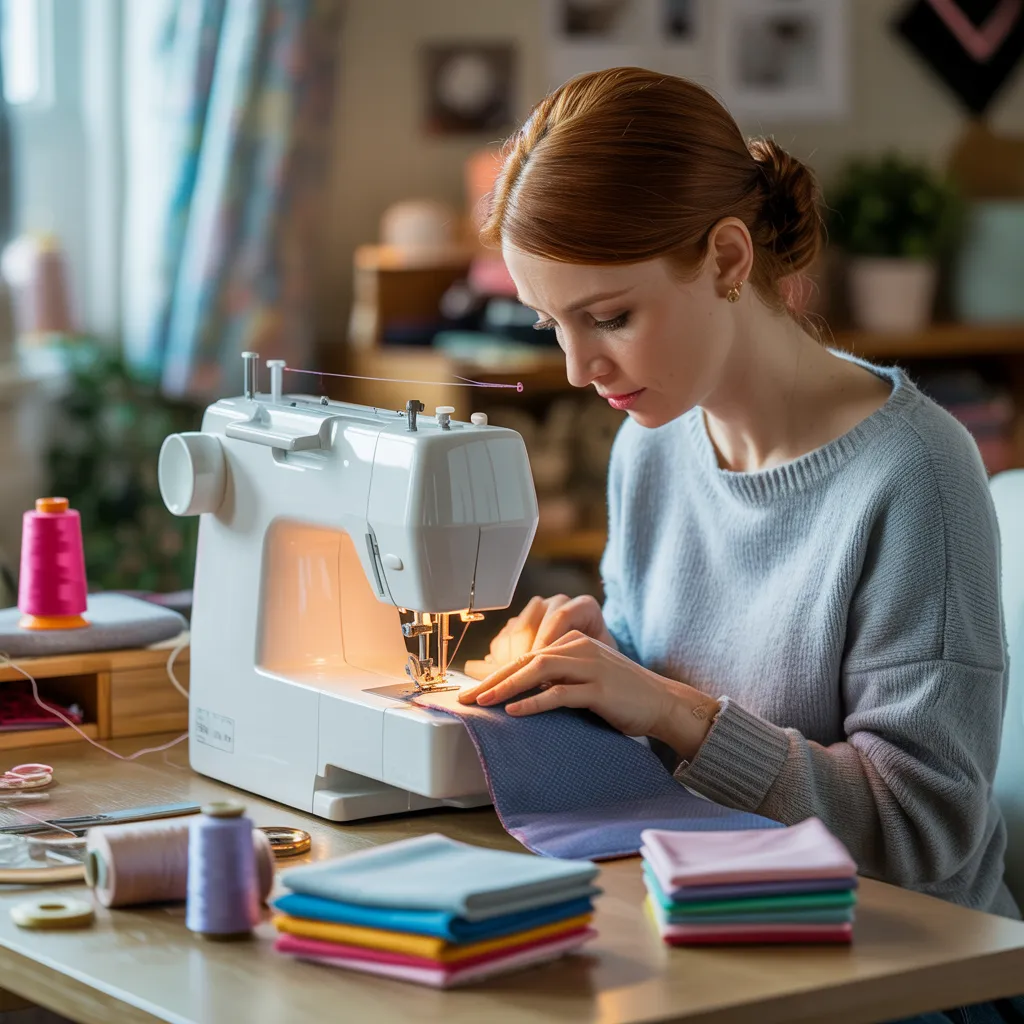
How Sewing Classes Perfectly Suit Creative Individuals
While many creative outlets exist, sewing classes emerge as an ideal choice for those looking to convey their artistic vision. These classes offer an opportunity to transform fabric into tangible creations, enabling participants to explore their imagination in a hands-on environment. The tactile nature of sewing involves sensory engagement, prompting individuals to experiment with colors, patterns, and textures.
Additionally, sewing nurtures a sense of accomplishment; each completed project serves as a demonstration of one's creativity and skill development. The cooperative atmosphere in classes also provides a supportive community, where aspiring designers can communicate ideas and learn from one another. With multiple techniques and styles to explore, from traditional quilting to modern garment making, sewing classes cater to diverse interests and skill levels. Therefore, they serve as a perfect medium for creative minds to prosper, generating joy and inspiration through the art of fabric manipulation.
What to Anticipate During Your First Sewing Class?
What should newcomers anticipate during their initial sewing lesson? Most often, new students will be shown the essential tools and materials needed for sewing, such as fabric, thread, scissors, and sewing machines. Instructors generally offer a brief overview of machine operation and safety, making sure that participants feel confident and comfortable. Novices will frequently learn basic stitches and techniques, directed step-by-step through basic projects like pillowcases or tote bags. This interactive approach creates an welcoming environment where questions are encouraged.
Additionally, students might engage in discussions about fabric types and pattern reading, acquiring insight into the broader sewing landscape. The social aspect of group classes enables shared experiences, making it a pleasant way to meet fellow enthusiasts. In summary, participants can expect a mix of instruction, creativity, and camaraderie, creating a solid foundation for their sewing journey.
Types of Sewing Classes to Match Your Style
When exploring sewing classes, individuals can find options adapted to their skill levels and interests. Novice sewing techniques center on foundational skills, while advanced project workshops push experienced sewists with complex designs. This variety ensures that each student can engage with the material in a way that resonates with their personal style.
Beginning Stitching Methods
Discovering the world of sewing opens the door to various view information about beginner techniques that cater to different styles and preferences. Many classes emphasize fundamental skills, such as straight stitching, zigzag stitching, and hem finishing, crucial for building a strong foundation. Participants may also explore techniques like appliqué and basic garment construction, which help them create simple yet stylish projects. Moreover, some classes introduce learners to hand-sewing methods, highlighting the artistry of needlework. For those interested in quilting, beginner classes often cover basic patchwork techniques. Ultimately, these wide-ranging options guarantee that aspiring sewers can find the right class to match their personal interests and creative aspirations, developing confidence and enthusiasm for further exploration in the sewing realm.
Professional Project Workshops
Advanced sewing workshops provide a range of specialized sewing classes created to develop skills and align with individual styles. These workshops are designed for more experienced sewists looking to tackle challenging projects, such as tailored garments, elaborate quilts, or custom home décor. Participants receive expert guidance, allowing them to refine techniques and explore advanced concepts like pattern drafting, fabric manipulation, and embellishments.
In addition, these workshops nurture a collaborative environment where creativity blooms, encouraging students to present ideas and receive constructive feedback. By focusing on specific projects, attendees can gain a deeper understanding of their chosen techniques while crafting unique, personalized items. Ultimately, advanced project workshops provide an enriching experience that encourages confidence and nurtures a passion for sewing.
Building Expertise and Self-Confidence Using Sewing Classes
Sewing workshops act as an valuable platform for people to build both proficiency and confidence in their craft. Learners learn important techniques, from threading a needle to mastering advanced stitching patterns. Tutors guide participants through hands-on projects, enabling them to refine and perfect their abilities in a encouraging environment.
As students advance, they experience a sense of accomplishment that builds self-assurance. Successfully completing a project, whether a basic tote bag or an elaborate garment, generates pride and inspires further exploration. This gradual learning approach empowers individuals to tackle increasingly difficult tasks, solidifying their growing expertise.
In addition, the structured setting of sewing classes cultivates goal-setting and accountability, which enhance personal growth. By surmounting difficulties and celebrating accomplishments, participants strengthen resilience, converting fresh confidence into other aspects of life. Finally, sewing classes are not just about fabric and thread; they are empowering experiences that empower individuals to embrace their creativity.
Discover Creative Companions: The Group of Sewing Classes
During the development of sewing skills, participants also find themselves immersed in a flourishing community of other creative individuals. This community acts as a welcoming network, creating connections among individuals who share a passion for sewing. As they participate in hands-on projects, participants trade ideas, techniques, and inspiration, enriching their learning experience.
The cooperative environment fosters innovation, enabling participants to discover various techniques and methods. Through exchanging achievements and obstacles, they develop enduring bonds and reciprocal support. Team exercises, like textile trades and cooperative initiatives, moreover fortify these relationships, converting the sewing classes into something beyond mere skill-enhancement gatherings.
Furthermore, the varied backgrounds and experiences of participants enhance discussions, broadening perspectives on sewing. This sense of belonging not only boosts confidence but also ignites a passion for the craft. In the end, the community aspect transforms sewing classes into a shared journey of creativity and personal growth.
Key Considerations for Selecting the Right Sewing Class
When examining options for a sewing class, individuals should consider a number of key factors to verify they select the right fit for their needs. First, the skill level of the class is paramount; beginners may require more fundamental instruction, while advanced sewers might seek specialized techniques. Next, class size can significantly impact the learning experience; smaller groups often enable more personalized attention from the instructor.
Moreover, the curriculum should be compatible with personal interests, such as garment creation, quilting, or accessories. Aspiring students should also inquire about the instructor's experience and teaching style to ascertain compatibility. Finally, logistical factors such as location, schedule flexibility, and cost should be considered. By evaluating these components, individuals can make an informed decision, enhancing their sewing journey and securing a fulfilling educational experience.
Continuing Your Sewing Journey
As those who sew enhance their capabilities, exploring advanced techniques becomes essential to enhancing their craft. Building relationships with other sewing enthusiasts can deliver useful knowledge and cultivate an encouraging network. Establishing individual objectives supports sustained enthusiasm and stimulates persistent advancement in their creative path.
Uncover Progressive Strategies
Advanced stitching methods reveal numerous creative prospects for individuals willing to advance their expertise. These techniques enable participants to explore intricate patterns, detailed embellishments, and unique garment constructions. Perfecting abilities including tailoring, draping, and complex material management empowers sewers to craft expert-level creations that display their unique artistic vision. Moreover, gaining proficiency with premium materials, like leather or silk, extends the variety of possible undertakings. Courses centered on sophisticated methods frequently explore the application of sergers and embroidery equipment, enriching the complete stitching journey. By incorporating these expert-level approaches, learners can simultaneously enhance their workmanship and develop the conviction to execute complex undertakings with proficiency and imaginative flair.
Join Our Sewing Community
Forming bonds with like-minded sewers improves the artistic process and builds a supportive community. Joining sewing classes creates an chance to encounter people with similar interests who share a enthusiasm for creativity. These connections can result in long-term connections, as participants share concepts, techniques, and inspiration. Cooperative activities often emerge from these interactions, facilitating the exploration of fresh approaches and techniques.
Sewing circles or groups can further enhance this sense of camaraderie, creating a welcoming atmosphere for sharing triumphs and challenges. Through collective experiences, sewers acquire valuable insights and varied viewpoints that can elevate their skills. Ultimately, connecting with others not only amplifies the joy of sewing but also builds a network of support that nurtures personal growth and artistic expression.
Establish Individual Goals
Setting personal goals is essential for those looking to progress in their sewing journey. By setting clear, achievable objectives, individuals can maintain motivation and track their progress. Whether it's mastering a new technique, completing a particular project, or participating in a sewing competition, these goals offer direction and purpose. Furthermore, setting deadlines promotes consistency and accountability, helping sewists stay committed to their craft. It is vital to regularly reassess these goals, adjusting them as skills improve or interests evolve. This dynamic approach encourages growth and creativity, enabling individuals to explore new ideas and techniques. Ultimately, personal goals can transform sewing from a hobby into a fulfilling, lifelong passion.
Common Questions
What Materials Should I Bring to My First Sewing Class?
For their first sewing lesson, students should bring thread, fabric, scissors, pins, a measuring tape, and a sewing machine when necessary. A notebook and pen for note-taking can also enhance the learning experience.
Do Sewing Classes Work Well for Children or Beginning Students?
Sewing workshops are truly fitting for children and beginners. These classes provide a encouraging environment, promoting creativity and skill development, allowing participants to acquire essential techniques while enjoying the process of creating various projects together.
How Long Do Sewing Classes Typically Last?
Sewing courses generally run between one and three hours, contingent upon the complexity of the project and the instructor's curriculum. Some programs may offer longer sessions for more thorough learning experiences and skill development.
Can I Bring My Own Sewing Machine?
Attendees are frequently encouraged to bring their own sewing machines to classes. This permits them to work with machines they're comfortable with, improving their comfort level and experience, while also ensuring that they can master specific techniques efficiently.
What's the Typical Cost of Sewing Classes?
The price for sewing classes usually spans from $20 to $150 per session. Factors influencing pricing include class duration, instructor experience, and whether materials are provided or need to be purchased separately.